iPhone 18 Pro: The Ultimate Guide to Leaks, Specs, and the 2026 Release Date
)
iPhone 18 Pro: The Ultimate Guide to Leaks, Specs, and the 2026 Release Date
Are you holding off on upgrading your smartphone, eagerly waiting to see what Apple has in store for the future? You are not alone. The smartphone industry has reached a plateau of incremental upgrades in recent years, leaving many tech enthusiasts longing for a truly generational leap. Fortunately, the upcoming iPhone 18 Pro appears to be exactly the breakthrough that power users have been waiting for. With a radical shift in processing architecture, unprecedented camera hardware upgrades, and a completely revamped release strategy, Apple is gearing up to redefine its flagship tier.
The anticipation surrounding the September 2026 launch is reaching a fever pitch. After the relatively modest design refinements seen in previous generations, the iPhone 18 Pro is slated to introduce foundational changes to how the device operates, processes data, and captures the world around it. This is not just another iterative update featuring a marginally faster processor and a new colorway. Instead, we are looking at the culmination of years of research and development in silicon fabrication, cellular modem technology, and miniaturized optical engineering.
In this comprehensive guide, we will dive deep into the verified supply chain leaks, analyst reports, and industry rumors to paint a complete picture of the iPhone 18 Pro. Whether you are a mobile photography professional, a mobile gaming enthusiast, or simply someone trying to time their next major hardware investment, this deep dive will provide you with all the insights you need to make an informed decision ahead of the highly anticipated September 2026 keynote.
The Historic Split Launch Strategy
For over a decade, Apple has followed a highly predictable and uniform release cadence: introduce the entire mainline iPhone lineup during a heavily publicized September keynote. However, 2026 marks a dramatic departure from this established playbook. According to supply chain analysts and multiple industry reports, Apple is shifting to a split-season launch strategy.
This autumn, the tech giant will exclusively debut its premium ultra-high-end devices. The iPhone 18 Pro, the larger iPhone 18 Pro Max, and the highly anticipated, first-ever foldable iPhone (often referred to as the iPhone Fold or Ultra) are on track for a September 2026 announcement. Pre-orders are expected to open shortly after the keynote, with the devices hitting physical retail shelves by mid-September.
But what about the standard models? In a move designed to separate the premium tier from the consumer tier, the standard iPhone 18, the iPhone 18e, and the rumored ultrathin iPhone Air 2 will not see the light of day until the spring of 2027. This strategic delay allows Apple to alleviate fall supply chain bottlenecks, maximize the marketing spotlight on its most expensive and profitable hardware, and create a secondary revenue spike during the traditionally quieter spring fiscal quarter. For consumers, this means that if you want a new Apple smartphone in the fall of 2026, you will have to pay the premium for the Pro tier or the foldable model.
Important Insight
If you typically purchase the baseline iPhone models to save money, be prepared to wait until Spring 2027. Upgrading in Fall 2026 will strictly require purchasing the premium iPhone 18 Pro, Pro Max, or the premium foldable model.
A Monumental Leap in Silicon: The 2nm A20 Pro Chip
The most significant technological advancement inside the iPhone 18 Pro is undoubtedly the introduction of the A20 Pro chipset. For the past few years, the smartphone industry has been locked in the 3-nanometer fabrication era. The iPhone 18 Pro shatters this ceiling by becoming one of the first consumer devices to utilize TSMC’s cutting-edge 2-nanometer (2nm) manufacturing process.
To understand why this is a massive deal, we have to look at the physics of silicon manufacturing. As the transistors on a chip shrink—in this case, down to 2 nanometers—the distance electrical currents must travel is drastically reduced. This results in a dual-pronged benefit: a massive increase in raw computational processing power and a profound reduction in energy consumption and thermal output.
The A20 Pro chip will allow the iPhone 18 Pro to handle complex, on-device artificial intelligence tasks seamlessly without rapidly draining the battery or causing the device to overheat. With 12GB of RAM explicitly dedicated to supporting Apple Intelligence and background processing tasks, the A20 Pro will push the boundaries of what a mobile device can render, calculate, and compile in real-time. This processing power is critical not only for gaming and professional video editing but also for driving the localized AI models that are becoming the core of the iOS experience.
Furthermore, Apple is finally breaking free from its reliance on third-party cellular modems. After years of development and billions of dollars invested following the acquisition of Intel’s modem division, the iPhone 18 Pro is expected to debut Apple’s custom C2 modem. This proprietary modem will handle mmWave 5G connectivity with far greater energy efficiency than previous third-party solutions, ensuring that high-speed data transfers no longer come at the cost of your all-day battery life. Paired with the new N2 chip for ultra-reliable Wi-Fi 7 and Bluetooth 6, the connectivity suite on the iPhone 18 Pro is entirely Apple-designed from the ground up.
Next-Generation Photography: The Variable Aperture Lens
While Apple has consistently upgraded sensor sizes and computational photography algorithms, the physical mechanics of smartphone lenses have remained largely static. That changes with the iPhone 18 Pro. The flagship device will introduce a physical variable aperture system to its main 48-megapixel Fusion camera.
In traditional smartphone cameras, the aperture—the opening that allows light to pass through the lens and hit the sensor—is fixed at a specific f-stop. If you are shooting in bright daylight, the fixed wide aperture can sometimes let in too much light, forcing the software to artificially compensate. Conversely, a fixed aperture limits the natural depth of field you can achieve without relying heavily on software-driven Portrait Mode blurring.
The variable aperture mechanism, reportedly manufactured by Sunny Optical and Luxshare ICT, contains physical microscopic blades that open and close to adjust the aperture dynamically. This allows the camera to physically stop down the lens in bright environments, resulting in sharper edge-to-edge focus and less lens flaring. When shooting in low-light environments or when a genuine, optical depth-of-field effect is desired, the aperture can open wide to flood the sensor with light and naturally blur the background. While computational photography has simulated this effect for years, achieving it through physical optics will dramatically improve the professional quality of iPhone photography, particularly for videographers who require strict control over their exposure triangle.
Refined Design and the Incredible Shrinking Dynamic Island
Aesthetically, the iPhone 18 Pro will retain the premium titanium chassis that users have come to love, but with a few notable refinements. Rumors suggest that the device will be slightly thicker, measuring approximately 9mm, to accommodate larger internal batteries and the complex variable aperture camera module.
The most noticeable visual change will occur on the front display. Apple is steadily marching toward the dream of a completely uninterrupted, bezel-less screen. The iPhone 18 Pro takes a massive step in this direction by significantly reducing the size of the Dynamic Island. Supply chain reports indicate that Apple has successfully engineered a way to move the TrueDepth camera system and partial Face ID components completely under the display. This allows the visible pill-shaped cutout to shrink by up to 35 percent, returning valuable screen real estate to the user for reading, watching media, and gaming.
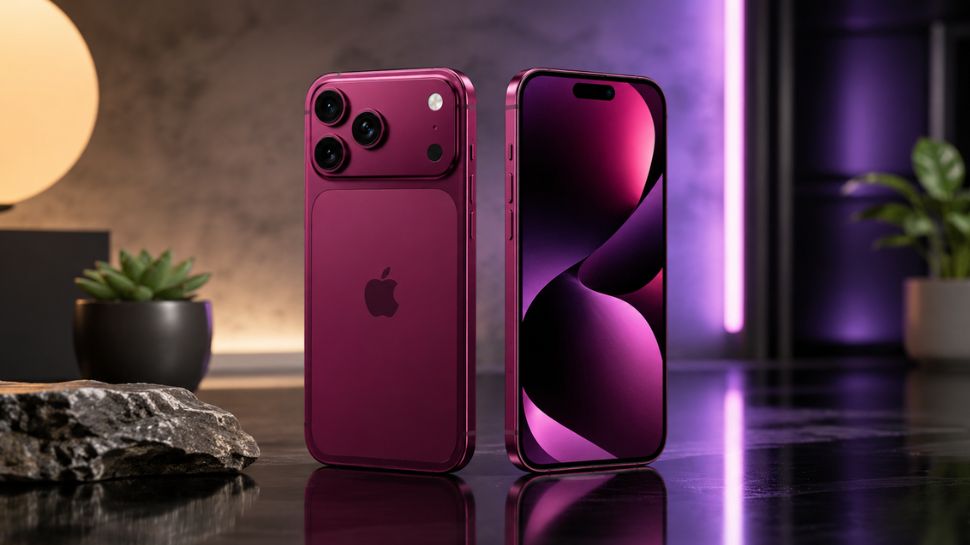
Apple is also refreshing its color palette to differentiate the iPhone 18 Pro lineup. The standout flagship color for 2026 will be a luxurious Dark Cherry (Pantone 6076), replacing the previous generation's specialty colors. This deep, sophisticated hue will be accompanied by Light Blue, Dark Gray, and the classic Silver finish, providing a refined aesthetic that matches the premium hardware enclosed within.
Common Mistakes When Planning Your Upgrade
Navigating the smartphone upgrade cycle can be tricky, especially with Apple altering its release timeline. If you are considering purchasing the iPhone 18 Pro, here are some common pitfalls you must avoid to ensure you make the right financial and technological decision.
-
Mistake 1: Upgrading from an iPhone 17 Pro without a specific professional need. While the 2nm A20 Pro chip and the variable aperture camera are phenomenal engineering feats, the day-to-day experience for a casual user might not feel drastically different from the A19 Pro. Unless you are a mobile videographer who desperately needs physical aperture control, or a power user who requires the absolute peak of on-device AI processing, spending over a thousand dollars to upgrade from the immediate previous generation is a poor return on investment. Evaluate your actual workflow before pulling the trigger.
-
Mistake 2: Ignoring the Spring 2027 standard models if you are on a budget. Because Apple is delaying the standard iPhone 18 and iPhone 18e until Spring 2027, many consumers might feel pressured to buy the expensive iPhone 18 Pro in September just to have a "new" phone. Do not fall into this trap. If you do not care about titanium frames, 120Hz ProMotion displays, or complex camera rigs, holding onto your current device for an extra six months will save you hundreds of dollars when the highly capable, standard 2nm models release in the spring.
-
Mistake 3: Buying the base storage tier for high-end video recording. The iPhone 18 Pro will undoubtedly feature advanced ProRes video capabilities, which consume a massive amount of storage space. Buying the 256GB base model is a fatal error if you plan to utilize the new variable aperture camera for professional-grade videography. High-bitrate 4K video will fill up 256GB in a matter of days. Always invest in the 512GB or 1TB models if you intend to use the iPhone 18 Pro as a primary content creation tool.
-
Mistake 4: Disregarding the potential ecosystem shift of Wi-Fi 7. The inclusion of the N2 chip brings Wi-Fi 7 connectivity to the iPhone 18 Pro. However, many users buy the new phone expecting blazing-fast wireless speeds without realizing that their home network router is still stuck on Wi-Fi 5 or Wi-Fi 6. To truly benefit from the iPhone 18 Pro's advanced connectivity and reduced latency, you must also plan and budget to upgrade your home networking infrastructure to a Wi-Fi 7 compatible mesh router system.
Conclusion
The iPhone 18 Pro is shaping up to be one of the most consequential hardware releases in Apple's modern history. By transitioning to a 2-nanometer manufacturing process, introducing a custom cellular modem, and finally integrating a physical variable aperture into the camera system, Apple is pushing the boundaries of what a smartphone can achieve.
Furthermore, the unprecedented shift to a split-season release schedule underscores just how premium Apple views the Pro and Fold models compared to their standard consumer lineup. As we approach the September 2026 launch window, the excitement is fully justified. The iPhone 18 Pro represents a true generational leap, combining raw silicon power with refined optical engineering to create a device that will dictate the trajectory of the mobile industry for years to come. Start planning your upgrade strategy now, because the future of mobile computing is arriving sooner than you think.